Puerto de Mogan Port License

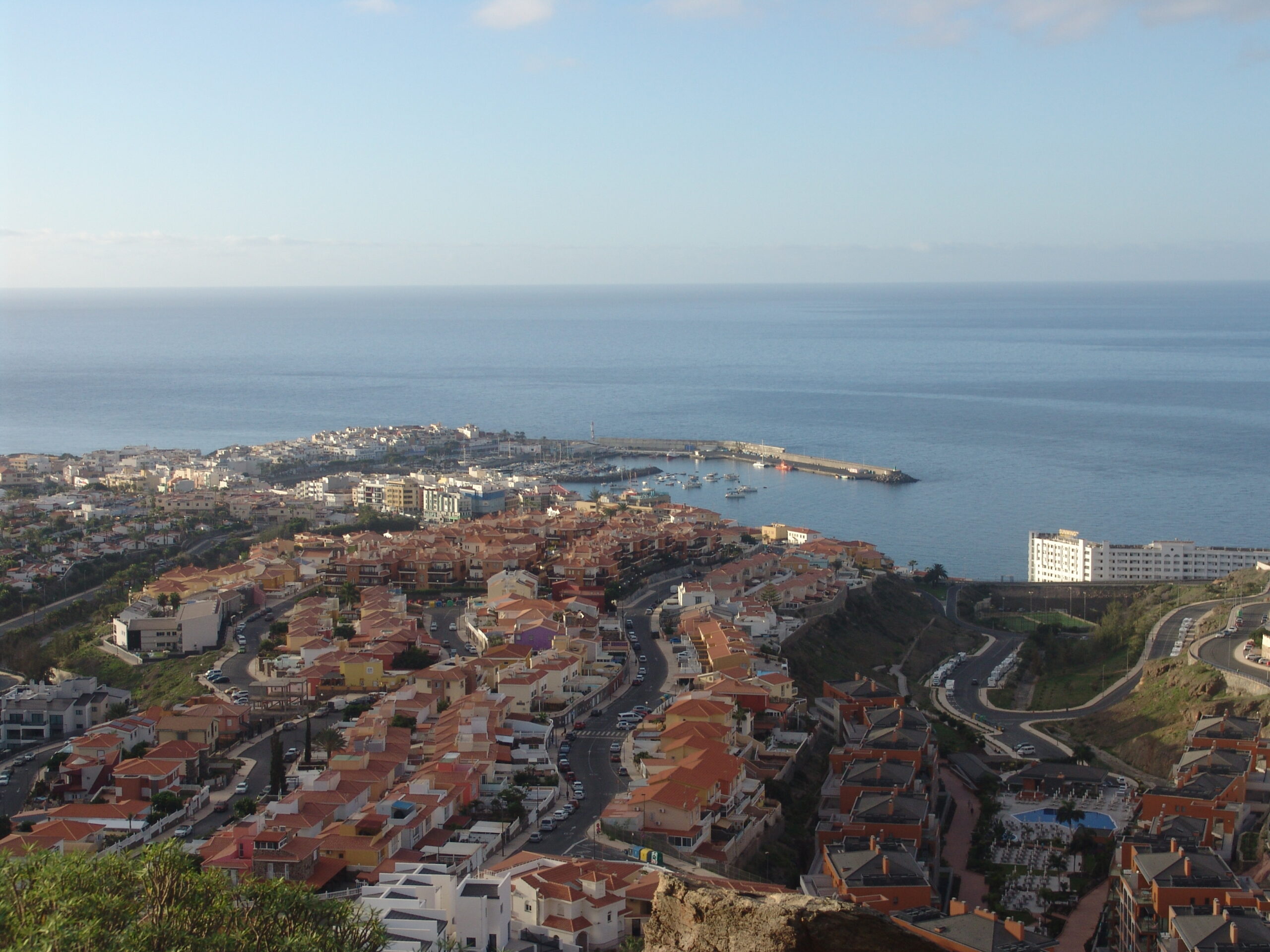
The Mogán Town Council has filed a lawsuit against the public entity Puertos Canarios with the Administrative Court of the Las Palmas Court of First Instance. The lawsuit stems from the regional body’s refusal to recognize the council’s historical rights to operate the Mogán Marina, a key tourist destination whose original concession expires in 2031.

The jurisdictional dispute stems from conflicting legal interpretations regarding the permits granted during the construction phase of the facilities in the 1980s. The Mogán City Council maintains that it retains its status as the original holder of the concession since the Council of Ministers signed the order on February 27, 1981, for a period of half a century. Based on this argument, the municipal legal services emphasize that the transfer of operations in 1987 to the private entity Puerto de Mogán S.A. constituted only a transfer of management, with the local council reserving the exclusive right to process any extension of the term.

The proposal to be submitted for plenary approval reveals that the private company has also submitted its own extension request to the regional government. Upon discovering that Puertos Canarios is processing this request behind the back of the municipal administration and blocking access to the documents, The Council of Mogán has opted to protect its position through legal action. The municipal agreement will formally demand that the company Puerto de Mogán S.A. immediately withdraw its extension request, seeking to restore direct management of the port area to the public sector.

To meet the criteria established by coastal legislation to access an extraordinary 25-year extension, the council has presented a substantial financial report. The updated value of the initial infrastructure investment is estimated at €45.8 million, which sets the legal minimum reinvestment required to request the extension at €9.1 million. Together for Mogán is increasing its commitment to the regional government by pledging a budget allocation of €13.3 million, broken down into a package of 18 urgent technical projects.

The mayor has already requested assistance and mediation from the Canary Islands Government (CC) to resolve a situation that threatens to paralyze development plans for the municipality’s main economic engine. This action by the city council shifts control of the Port of Mogán from the political offices in Las Palmas to the courtrooms of the High Court of Justice.


The climate of southern Gran Canaria

The climate of southern Gran Canaria is not just an atmospheric factor; it is the invisible architect that transformed a wasteland of dunes, shepherds, and tomato fields into one of Europe’s most powerful tourist destinations. Understanding the history of Maspalomas means understanding how its weather conditions, recorded in scientific reports and in the memories of its inhabitants, shaped the landscape. From the records of the first explorers to the satellite precision of 2026, the climate of San Bartolomé de Tirajana has maintained one constant: an almost miraculous stability broken only by the sporadic fury of the Atlantic.

Before the arrival of mass tourism, Maspalomas was a climatic frontier. Data from the first half of the 20th century, compiled piecemeal by farmers and the first official observers, describe a territory marked by extreme water scarcity. The south of the island survived under a relentless sun that guaranteed more than 3,000 hours of sunlight a year, a resource that back then didn’t translate into hammocks and hotels, but rather into a constant battle against drought.

The weather of this era was dictated by agricultural cycles. The northeast trade winds, although they blew with the same consistency as today, were seen as a factor that dried out export crops. The few annual rains were concentrated in subtle winter storms. However, when the weather in the south changed abruptly, it did so with historic violence: the ravines, usually dry and stony, experienced flash floods that completely transformed the landscape of La Charca.

The Opening of the Airport and the METAR Era (1970-2000)

The inauguration and consolidation of the Gran Canaria Airport weather station (ICAO code: GCLP) marked a turning point in the accuracy of historical weather records. From the 1970s onward, the weather in Maspalomas began to be measured minute by minute through METAR reports, coded for international aviation but vital for the burgeoning tourism sector.

It was during these decades that Maspalomas’ climate became an internationally renowned attraction. Historical charts began to scientifically demonstrate what travelers already knew: the south of the island enjoyed virtually no winter, with temperatures rarely falling below 18°C ​​in January, and summers where the thermometer stabilized in a comfortable range between 24°C and 28°C. The relative humidity, moderated by the ocean, became the perfect balm for visitors from Northern and Central Europe.

OLYMPUS DIGITAL CAMERA

However, historical records also document the major challenges posed by extreme weather. Episodes of super haze—Saharan air masses that raised temperatures above 40°C in a matter of hours—tested urban infrastructure. Likewise, the passage of weakened tropical storms and intense Atlantic cyclones periodically served as a reminder of the fragility of a coastline undergoing rapid construction.

The 21st Century and the Challenge of Climate Change (2000-2026)

With the arrival of the new millennium and the integration of advanced climate reconstruction models such as MERRA-2, scientists began to detect subtle but significant changes in Maspalomas’ weather patterns. The average summer temperature showed an upward trend, and tropical nights—those where the temperature does not drop below 20°C—went from being a summer anomaly to a recurring phenomenon between June and September.

The wind, the area’s driving force, has also been a focus of analysts’ attention in recent years. Although the trade winds continue to blow strongly, reaching speeds of over 40 km/h on summer afternoons—alterations in their frequency have compelled authorities to actively intervene in the natural environment. The relocation of kiosks and infrastructure in Playa del Inglés in 2026 is the direct result of decades of meteorological observation, aimed at restoring the wind’s natural path so it can continue to move the sand and preserve the dunes.

Today, the weather in Maspalomas combines the same zenithal light and clear skies that captivated the pioneers of tourism with scientific climate management. This historical record demonstrates that the greatest asset of this coastline remains its atmosphere: a microclimate protected by the island’s geography that, despite global pressures, refuses to lose its eternal spring.

Ultra-fast charging for electric vehicles in El Veril, Playa del Inglés

The rollout of electric vehicle charging infrastructure has reached a strategic milestone in southern Gran Canaria. The joint venture Iberdrola | bp pulse has launched its new high-power charging points at the bp El Veril service station, located in Playa del Inglés (San Bartolomé de Tirajana), right at the key access point of the GC-1 highway.

This opening is part of the company’s territorial expansion plan, which has recently reached nearly one hundred operational charging points in the Canary Islands, notably the large installations at key shopping centers on the island such as El Mirador and Las Terrazas. The new infrastructure in El Veril addresses a long-standing demand in the region: high-speed charging right next to the highway at the gateway to Gran Canaria’s tourism sector.

The choice of El Veril as a high-power charging point is based on traffic density and logistical considerations. From an energy market perspective, the key factor is tourism. The GC-1 is the main corridor connecting Gran Canaria Airport with the hotel hubs of Playa del Inglés, Maspalomas, and Meloneras, areas where rental car fleets and passenger transport are undergoing a gradual transition to electromobility.

The installation of fast and ultra-fast chargers optimizes waiting times for users, who can recover up to 300 kilometers of range in just a few minutes while making short stops at service stations. The strategic alliance between Iberdrola and bp pulse, originally established in 2023 with an associated investment plan of €1 billion, aims precisely to eliminate “range anxiety” in intercity travel through the extensive reach of its charging network.


Mogán to Request Concession Extension to Regain Direct Management of the Port of Mogán

The Mogán City Council will debate in June the formal request for an extraordinary extension of the administrative concession for the Mogán Marina, currently in effect until March 29, 2031, with the aim of regaining direct management. The concession was granted to the City Council by the Council of Ministers on February 27, 1981.

The technical and legal documentation maintains that the City Council is the only entity authorized to request an extension, according to the resolution approved by the City Council on May 7, 1987. That resolution authorized the transfer of the operation to Puerto de Mogán S.A. but maintained the City Council’s exclusive right to request a possible extension.

Regional regulations allow for the extension of marina concessions when significant investments are made on the granted area. These actions must improve aspects such as productivity, energy efficiency, environmental sustainability, and port services, and reach at least 20% of the updated value of the initial planned investment.

The City Council also acknowledges the existence of hundreds of holders of usage and enjoyment rights derived from transfers made over decades by Puerto de Mogán S.A. Therefore, the Plenary Session will address the commitment to preserving these rights and the future signing of collaboration agreements that will facilitate coordinated and equitable management if the extension is granted.

These agreements will aim to ensure that users maintain their rights and proportionally assume the costs associated with the expansion, such as the necessary investments and the regional tax, without prejudice against those who acquired their rights in good faith.

The report to be presented to the full council details that it was the Mogán City Council that notified the Ministry of Public Works, on February 13, 1973, of its intention to build a port and a seafront promenade in Playa de Mogán. This intention materialized on August 19, 1975, when the council requested the administrative concession and authorization for the works. Approval took several years. It was finally granted on February 27, 1981, by Order of the Council of Ministers. The Council resolved to grant the Mogán City Council authorization for the construction and operation of the Mogán Marina.


The latest Canary Islands Tourism campaign highlights the islands’ mild and stable climate.

Canary Islands emphasizes its average summer temperature of 26 degrees Celsius to attract tourists.

Canary Islands Tourism has launched a new campaign highlighting the archipelago’s mild and stable climate throughout the summer season. The promotional campaign, “Summer at its Best,” aims to reinforce the archipelago’s position as an ideal summer holiday destination thanks, among other attributes, to an average temperature of 26 degrees Celsius, free from the extreme heat waves that affect other destinations during this time. The campaign highlights the Canary Islands’ competitive advantages for domestic travelers, emphasizing the opportunity to enjoy beaches, natural spaces, outdoor activities, and wellness experiences in a comfortable climate. In this context, the Canary Islands archipelago emerges as a destination that combines pleasant weather, safety, diverse experiences, and high-quality tourism.

The Pope León XIV at the Port of Arguineguin,11 og June 2026

The Pope León XIV at the Port of Arguineguin, in the background La Canaria

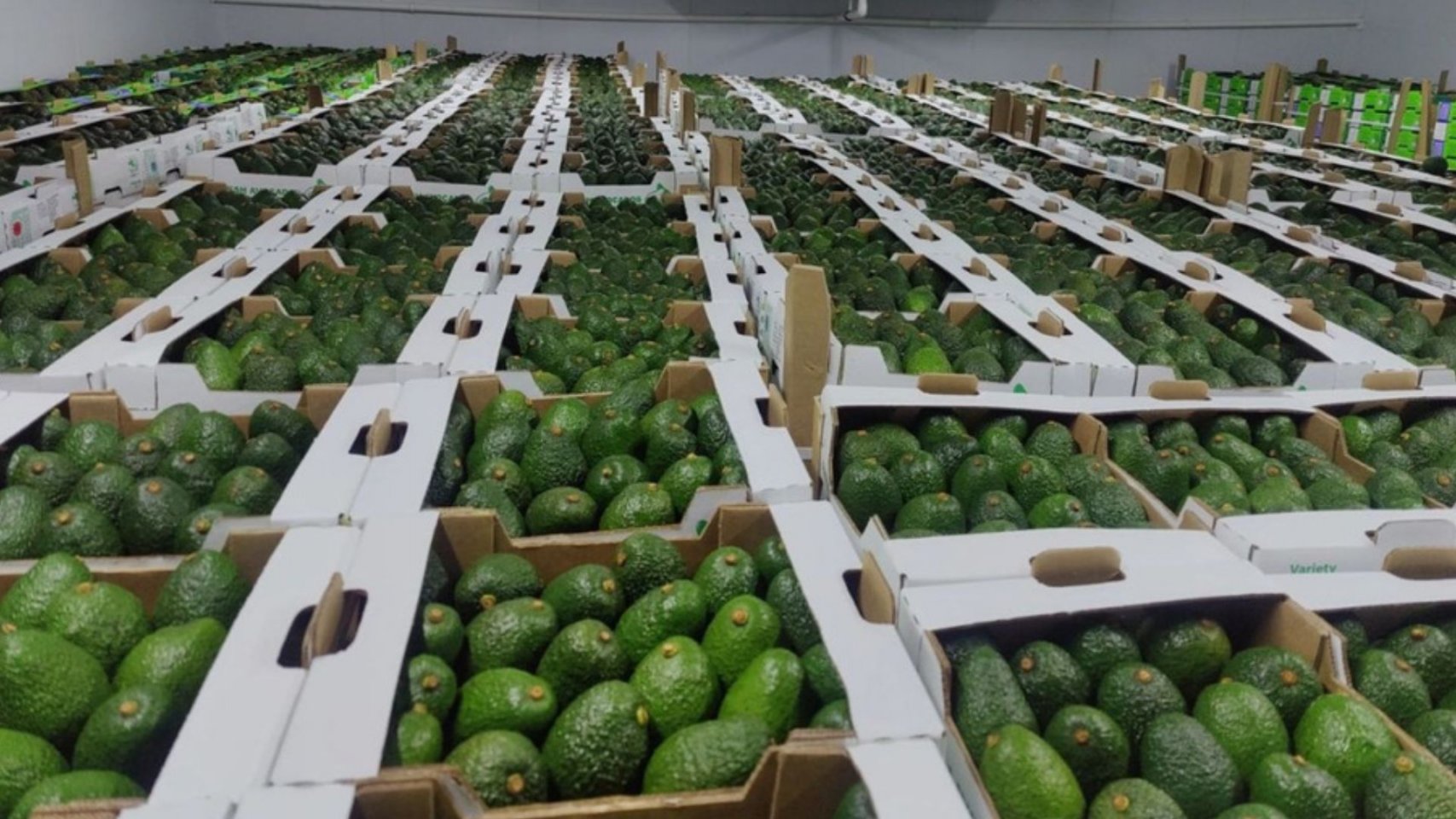
The Pope León XIV was received by the President of the Government of Spain, Pedro Sánchez, the President of the Canary Islands, Fernando Clavijo, the President of the Gran Canaria Island Council, Antonio Morales, the Government Delegate, Anselmo Pestana, the President of the Parliament of the Canary Islands, Astrid Pérez, and the Mayor of Mogán, Onalia Bueno, who acted as hostess and took advantage of the moment of arrival to present him with a gift full of symbolism, a rosary made with avocado and Canary pine wood crafted by the last remaining woodworker in Mogán.

The Civil Guard will deploy its most demanding security operation ever undertaken by the Las Palmas Command in Arguineguín this Thursday for the Pope’s visit to Gran Canaria. The operation will mobilize some 600 officers—400 from the Command itself and 200 arriving in support from units on the mainland—along with approximately 200 vehicles, 50 motorcycles, five boats, an aircraft from the Air Service, two helicopters, and drones.The Civil Guard will escort the Pope from the airport to Arguineguin.

If you don’t live in Arguineguín or aren’t staying in the town, and you want to see the Pope this Thursday—or rather, the entourage he’s traveling with—don’t hesitate. Get up very early and go down there very, very early. At the latest, before 9:30 a.m. After that time, the fishing district of Mogán will resemble a medieval fortress. If you don’t have accreditation, you won’t be allowed in. Up to three checkpoints will block access to Arguineguín from the GC-1: one at kilometer 52, where the interchange begins; another under the highway bridge; and another at the exit towards El Pajar. In other words, there’s no way around the controls. You will be allowed to arrive before 9:30 a.m. but arrive early, with so many checkpoints, a queue is likely to form.

The event, expected to draw around 2,000 people and last an hour (from 11:40 a.m. to 12:45 p.m.), will take place at what is now called the “Wharf of Hope,” which has become an impregnable stronghold within the already restricted and gated Arguineguín neighborhood, at least in the area closest to the port. Therefore, those wishing to see the Pope will have to be content with watching him pass by. There will be no Popemobile. The town council has put up 3,000 barriers (many donated by other municipalities) to cordon off the roads along the official procession route. People will be able to watch from outside the barriers.


The Canary Islands issue recommendations to ensure the Pope’s visit doesn’t interfere with tourists’ holidays

Thursday, June 11, 2026

Due to the official visit of Pope Leo XIV to Gran Canaria, special mobility and security measures will be in place at various points on the island on Thursday, June 11.

Tourist services, accommodations, restaurants, shops, and activities are expected to continue operating normally. Temporary traffic restrictions and increased pedestrian and vehicle movement are anticipated in certain areas.

⚠️ Additional travel time should be allowed for journeys between southern Gran Canaria, the airport, and Las Palmas de Gran Canaria.

Contents

Areas with the greatest expected impact

Arguineguín and southern Gran Canaria

An official ceremony will be held in the Port of Arguineguín during the morning.

The main impacts will be concentrated on:

Port of Arguineguín.

Access roads to Arguineguín.

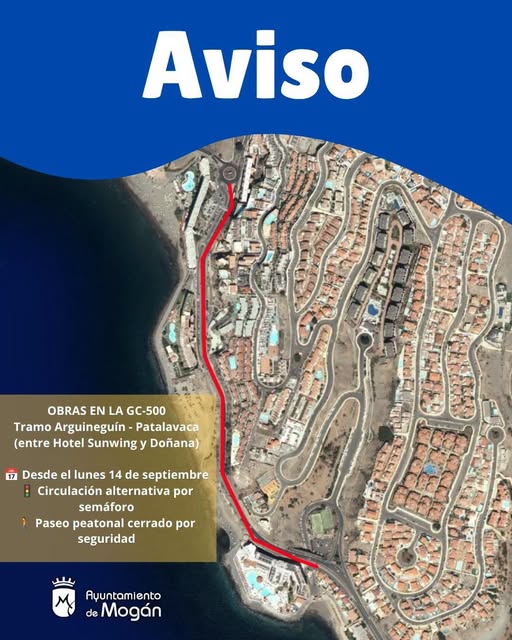
GC-500.

Sections of the GC-1 highway between the airport and the south of the island.

Temporary closures and traffic restrictions are expected during official travel between Airport, Arguineguín, and Las Palmas de Gran Canaria.

Mogán will apply traffic and parking restrictions for Pope Leo XIV’s visit to Arguineguín.

On June 11, Mogán Town Council will launch a security and traffic plan for Pope Leo XIV’s visit to Arguineguín Port.

Visitors who need parking should use upper Arguineguín.

Coordinated for months by the Local Police with the Civil Guard, Canary Islands Police, Civil Protection, health services, and municipal staff, the operation will deploy over 300 personnel and impose major traffic and parking restrictions across town.

Mayor Onalia Bueno and acting Local Police Chief Marcos Domínguez outlined the measures to ensure security during what they called a historic event.

Bueno asked for public understanding and stressed that Wharf access will be limited to accredited guests, mainly migrant families and professionals and organizations assisting migrants. No invitation means no access to the port area.

The mayor said residents and visitors will still be able to walk through much of lower Arguineguín, though some areas, including Manuel Álamo Suárez Avenue (Muelle Avenue), will be fully closed.

She also urged people to avoid unnecessary travel and follow security staff instructions.

To follow the event, the City Council will install three giant screens: one in Las Marañuelas Square and two along the pedestrian walkway on Miguel Marrero Rodríguez Avenue.


Guide to avoiding traffic disruptions during the Pope’s visit

Prime Minister Pedro Sánchez will accompany Pope Leo XIV during a visit to Arguineguín Port, where the Pope will meet with migrants. The visit is expected to attract major international media coverage, with more than 3,000 journalists on the island.

Traffic disruptions in Gran Canaria will be most severe on Thursday, June 11, with closures affecting the GC-1, GC-500, and GC-3, the Pope’s transfer from Gando Airport to Arguineguín. During this period, access ramps to the highway will also be temporarily closed.

Visit of Pope Leo XIV to Gran Canaria on 11 June 2026

The Canary Islands will suspend classes in Gran Canaria during the visit of Pope Leo XIV.
The Government of the Canary Islands will also recommend remote working in Las Palmas and will implement an extensive security and healthcare operation.
The GC-1 motorway will be closed for four and a half hours, with traffic restrictions in place for a total of nine hours on different sections during the Pope’s visit to Gran Canaria.
On Thursday the 11th, the southbound carriageway between kilometres 15 and 56, from Gando Airport to Arguineguín, will close from 10:30 to 11:45. The same section will close northbound from 12:15 to 13:15, continuing to kilometre 0 at the entrance to Las Palmas de Gran Canaria. In addition, all exit ramps to the GC-500 in both directions will remain closed from 9:30 to 14:00.
Preparations are also being finalised at the Port of Arguineguín for the “Stage of Hope”, which has been approved by the Vatican.
A Vatican delegation is supervising the final preparations at the Port of Arguineguín, where the stage and security arrangements are being completed ahead of an event centred on migration, welcome, and hope.