
The Parliament of the Canary Islands has approved a sector-specific law that alters the legal and financial framework of the archipelago’s main economic drivers. The new Canary Islands Tourist Municipalities Law, for the first time, grants local governments their own administrative system. The legislation is designed to address the structural deficit in the municipal finances of southern Gran Canaria, which have historically been forced to fund public services designed for millions of annual visitors with budgets calculated solely based on the registered population. The law introduces a weighting system that recognizes the impact of the transient population on the allocation of public resources.
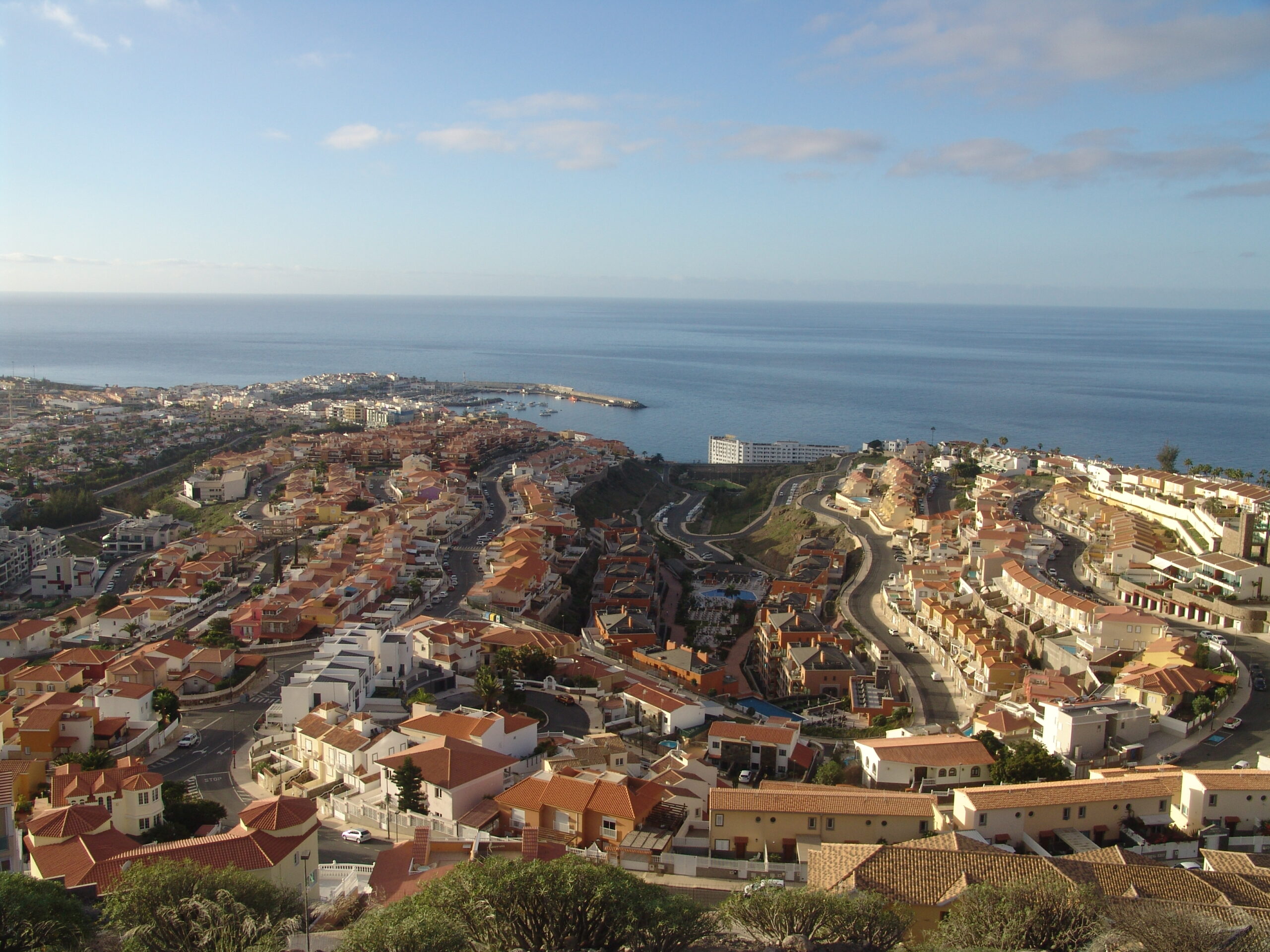
The municipalities of San Bartolomé de Tirajana and Mogán, where the largest concentration of tourist accommodation in the province is located, are the driving force behind this legislation, which they promoted through the Association of Tourist Municipalities of the Canary Islands (AMTC). Insufficient funds for maintaining critical areas such as street cleaning, beach safety, and coastal infrastructure have strained the budgets of these southern municipalities for decades. The law allows for the legal adaptation of local councils’ organizational structure to the actual demographics they serve, overcoming the limitations of the resident census.
The law eliminates the previous generic designation of tourist territory and establishes a classification model based on auditable macroeconomic variables. The regulations establish the categories of Municipality of Tourist Excellence and Municipality of Unique Tourist Character. To achieve the status of Excellence, destinations in southern Gran Canaria must certify that tourism generates more than 15% of their local economy. Furthermore, the text requires simultaneous compliance with two of three objective criteria: a specific volume of annual floating population, a substantial accommodation capacity, or a significant density of high-end four- and five-star hotels.
The new legal framework entails strict operational obligations for the beneficiary municipalities. Local authorities that achieve excellence status will be required to design and implement a municipal tourism management plan. The text defines a comprehensive catalog of mandatory minimum services that exceeds the traditional powers granted by the Local Government Act. Municipalities in southern Gran Canaria are legally obligated to undertake environmental monitoring, noise control in leisure areas, enhanced waste collection, the creation of urban climate shelters, and the permanent deployment of lifeguards along the coast.
The institutional counterpart to this requirement is the direct inclusion of tourist municipalities in the governing bodies of the autonomous community. Mayors in the south will have a voice and a vote in strategic planning committees and in the forums for the distribution of public funds by the Government of the Canary Islands, a space where traditional representation depended on residential population rather than on the contribution to the regional gross domestic product (GDP). This co-decision-making capacity aims to redirect infrastructure investments toward the renovation of degraded public spaces in Playa del Inglés and Puerto Rico.